Become a Listening Movement practitioner.
A Year-Long Training for Hands-On Practitioners
Practitioner Training · Austin · 2027
The year you build the practice you've been dreaming about.
Go deeper in your work, help people in a way that lasts, and grow with a community of practitioners who get it.
A year-long, in-person training in hands-on fascial work with a listening-based approach you won't find in a movement certification or massage program.
Four seasonal weekends, monthly practice labs, and a small group that becomes your people.
There's a version of your practice you haven't been able to build yet.
You got into this to help people feel real relief. This is a year to build the skills, and the practice, to do that on your own terms.
Proof
"This training changed how I teach movement. The skill of deeply sensing the body applies to any modality, and the community it gives you is a real network of support long after it ends."
"Kaita's fascia tuning methods are totally unique. I've worked with a lot of people in this world, and I'd put her methods in the top three."
Who this is for.
- Yoga and Pilates teachers ready to work deeper than alignment cues and form adjustments
- Massage therapists and bodyworkers who want a deeper, more intuitive method
- Somatic and nervous-system practitioners who want hands-on skills
- Dancers and movers who know the body from the inside and want to work with others
- Movement teachers who feel capped by what they can offer right now
- Bodyworkers who want to bring fascia and the meridians into their work
- Anyone who helps people in their body and wants to build a real practice around it
This is for you if:
- You're happiest working with the body, and you trust what you sense, not just what you're told
- You're self-directed, and you'll actually put in the practice between our weekends
- You're curious more than you're certain, and open to working a different way
- You're willing to be a beginner again, even though you're already good at what you do
- You already take care of your own body, through your own practice or regular trades
- You can be in Austin for four weekends and a monthly lab across the year
It's not for you if you want a quick certification, a step-by-step protocol to run the same way on every body, or a training you can complete virtually.
Outcomes
What you'll walk away with.
Hands-on skill you can trust.
Read a body, find where to begin, and adjust in real time when it surprises you.
The power to create lasting change.
Learn new ways to shift stuck patterns, and help your clients move and feel better.
Work that lasts.
Specialized skills, learned in a way that doesn't burn you out.
A practice that's your own.
The skills to take on clients and teach your own classes, in a method few others offer.
People who get it.
A community that doesn't end when the year does.
Rare work
This work is specialized, and people seek it out.
This isn't about starting over or leaving behind what you already do. This training adds to it. You'll learn something few people can do, and it changes the kind of work you can offer and the kind of clients who seek you out.
You'll leave able to take on your own clients and teach your own classes, with my studio available as a place to work and first access to referrals when I have them.
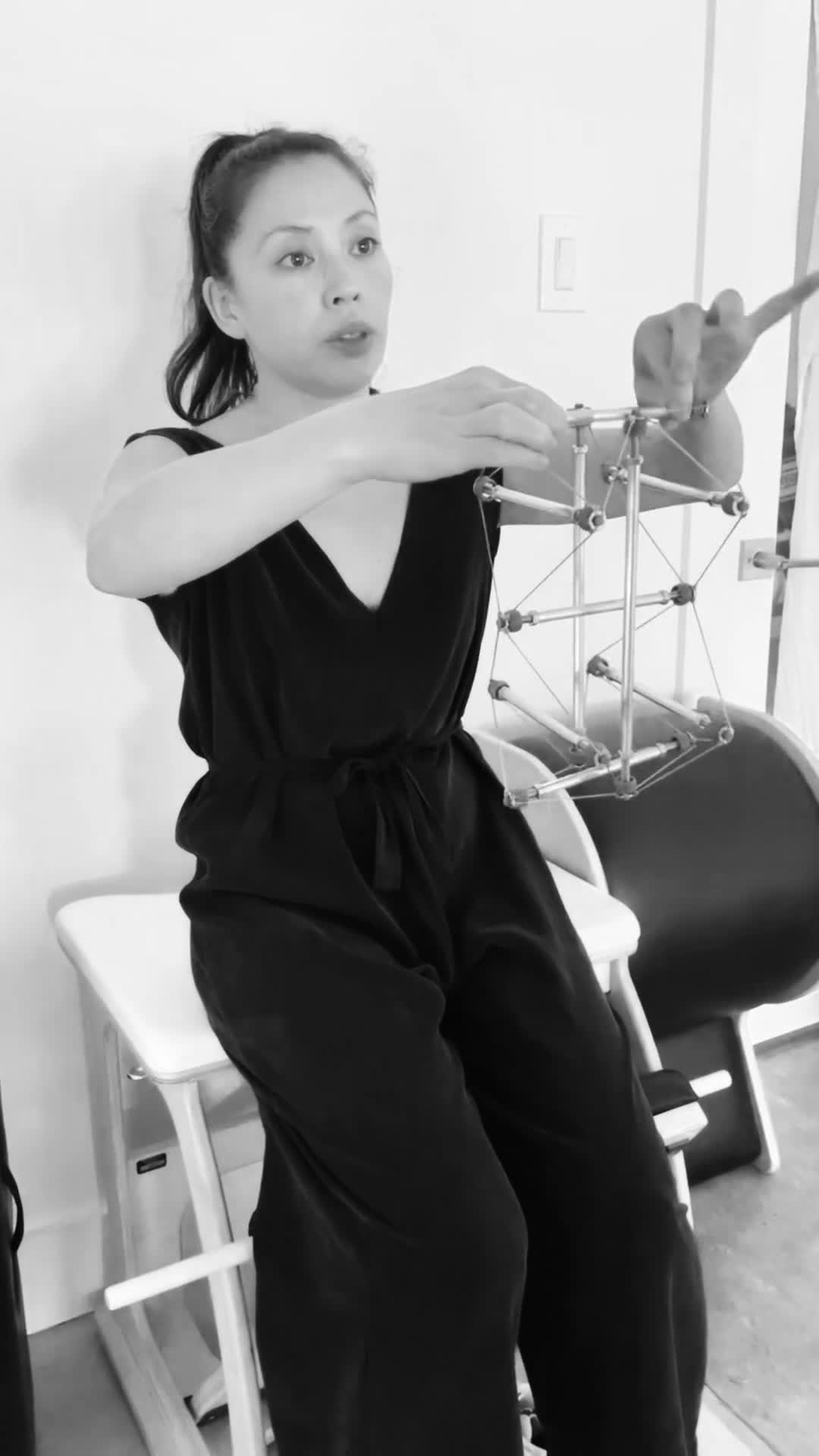
You won't do it alone.
Most of us do this work alone. You see one client, then the next, and then you go home. There's no one to practice on and no one to ask when you get stuck.
I don't think it should work that way. You get better faster with other people around, and it's a lot more fun.
The community is the part of this program I'm most invested in. I want to build a small group that meets all year and supports each other's work.
Why it's in person.
This kind of work has to be learned in person. You have to feel it in your own hands, on real bodies. A video can't give you that.
So we meet in Austin, in person, all year. I'm not going to hand you a script or a set or exercises to memorize. We'll work together to listen to the body and respond to what it's asking for.
February – December 2027
How the year works.
Four seasonal weekends.
The hands-on core of the training, one each season.
Monthly practice labs.
We meet in person between the weekends to practice on each other.
Practice and assisting hours.
You'll build hours on your own, and start assisting on real sessions in the second half of the year.
Checkpoints along the way.
You'll be ready to teach a class by mid-year, and by December you'll lead a full session.
The curriculum
The four weekends.
Each weekend takes an element and a season, and together they build the whole method. You'll learn self-stretches and partner stretches every time, so you're working on your own body and someone else's from day one.
Weekend 01 · February 19–21, 2027
Foundations
We start at the back of the body, the hamstrings and hips, the deep lines where a lot of us hold our oldest patterns. You'll learn what fascia actually is, where it comes from, and how the meridian system maps onto the body. Self-stretches and partner stretches for the lower body, plus real time in reflection and authentic movement, because the first body you have to learn to hear is your own.
Weekend 02 · May 14–16, 2027
The Heart of Teaching
Fire runs through the upper body, and it's also the element of connection, so this weekend is both. We'll work the Fire pathways with self-stretches and partner stretches for the arms, chest, and shoulders, and spend time learning to meet other people from the heart. We'll get into the emotional side of this work too: how fascia holds feeling, how working the meridians can shift your mood and attention, how you pick up on what other people are carrying, and how to set boundaries that keep you open without taking it all home. We'll explore self-expression through authentic movement.
Self-stretch teaching test-outBy the end of this weekend you'll be ready to lead a self-stretch class of your own.
Weekend 03 · August 27–29, 2027
Communication
Earth is the front line of the body, the quads, knees, abdomen, and jaw. You'll learn the self-stretches and partner stretches for these pathways, and then we slow down on the part most trainings skip: how you talk with the person in front of you. How to really listen, how to understand what a client actually needs instead of assuming, and how to build a space that's safe and supportive enough for the work to land.
TakeawaySharper listening and assessment skills.
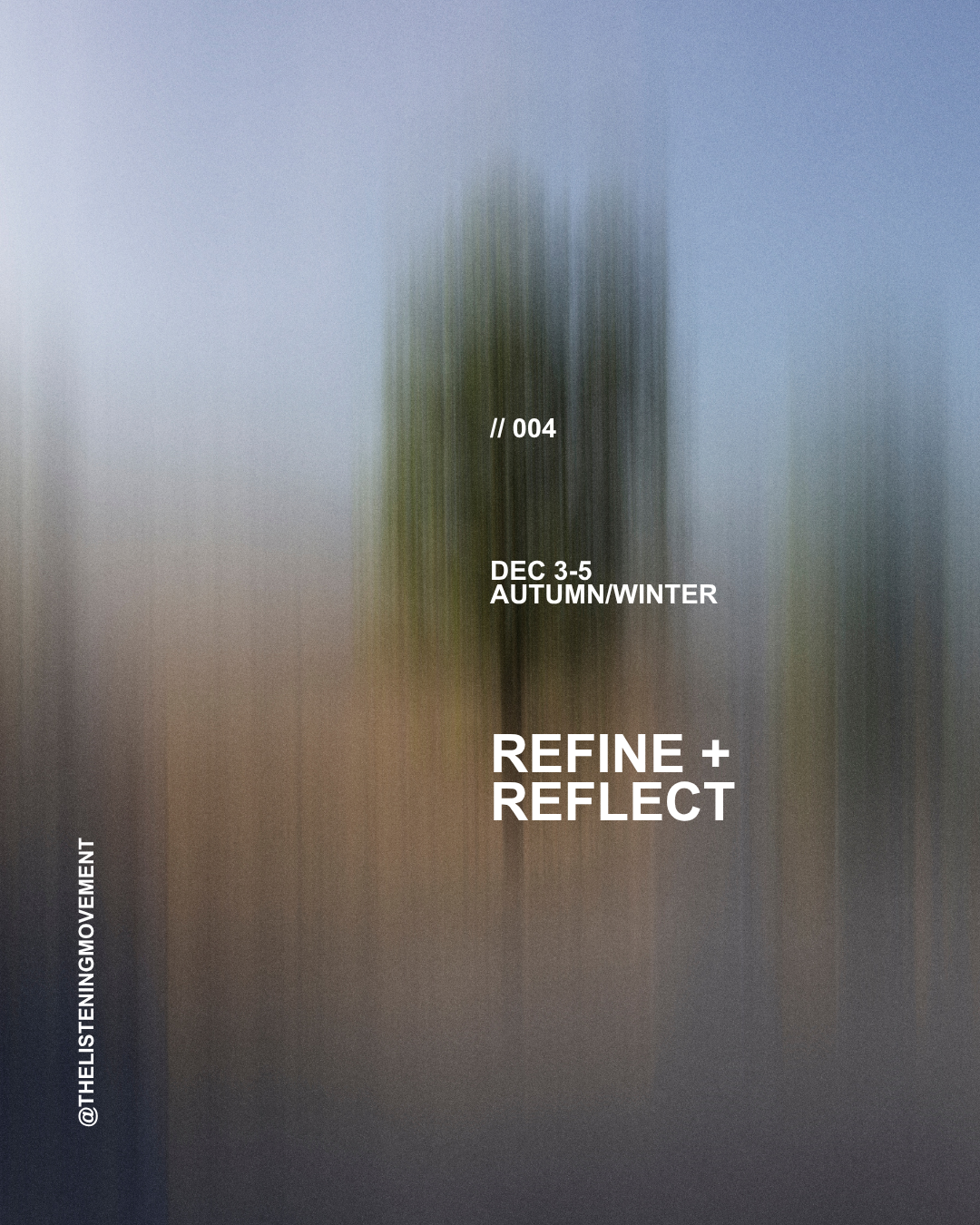
Weekend 04 · December 3–5, 2027
Refining
Metal is the neck and shoulders, the most delicate work in the method, and it's where we finish. We'll refine your sense of touch in the partner stretches, problem-solve the bodies that didn't respond the way you expected, and make sure you feel genuinely confident with the material.
Assisted stretch test-outA skill check on me, and about thirty minutes working on a volunteer while I observe.
Your teacher
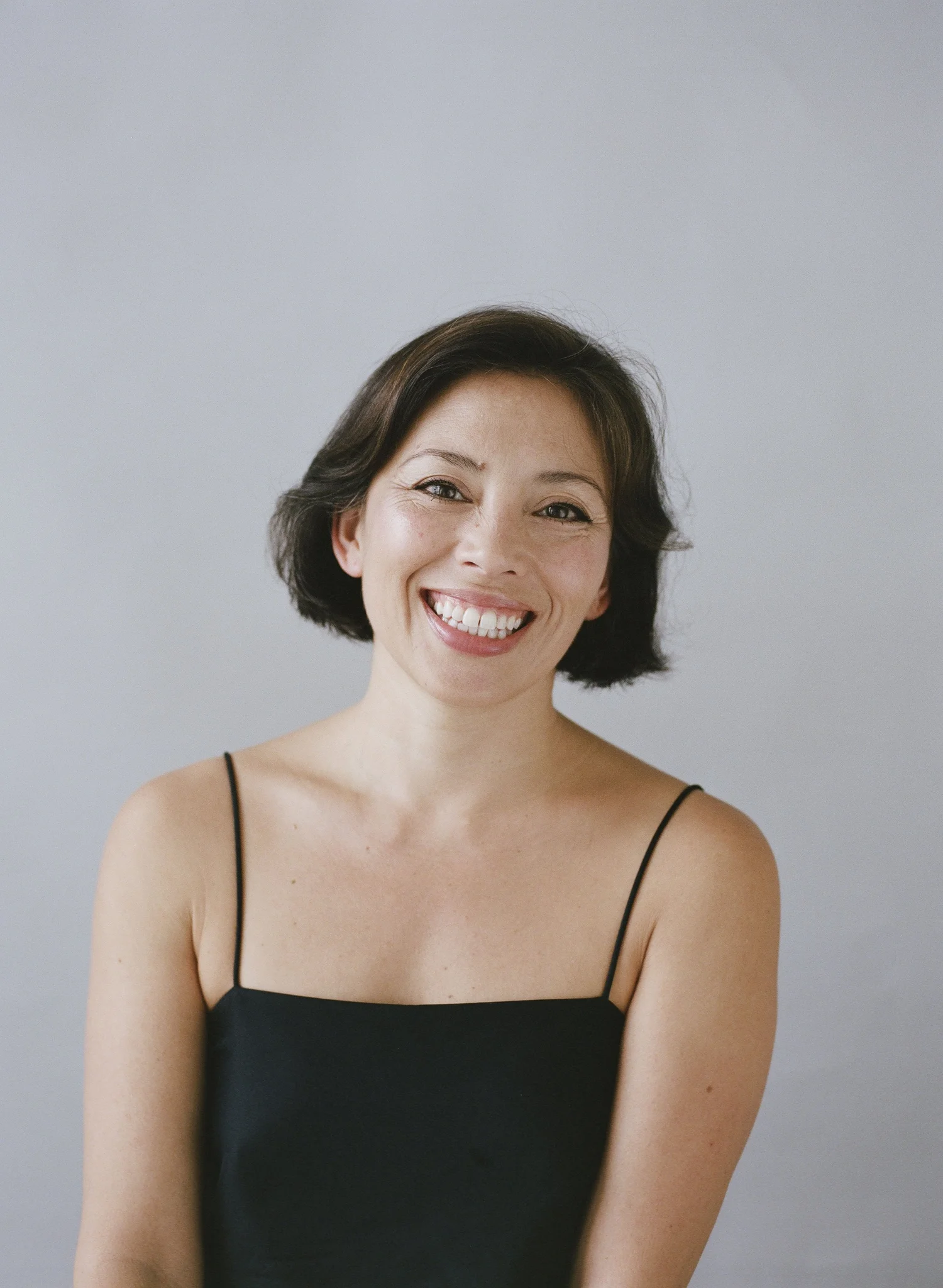
About me.
Movement has always been my first language. I started with gymnastics, then dance, and studied dance and psychology in college thinking I'd do movement therapy. I danced professionally for years, and picked up Pilates, yoga, anatomy, Fascial Stretch Therapy, and Chinese medicine along the way. For a long time I felt a little ashamed that I couldn't pick one lane. Now I see that all of it was leading here.
Being half Chinese, a lot of the Chinese medicine was already in my life growing up, foods for the winter solstice, herbs at the first sign of a cold, and it took me a while to really study the wisdom behind it. Fascia is the piece that tied it all together for me. Our bodies talk to us in ways that have nothing to do with words, and fascia is a big part of how.
What I'm really doing, with clients and now with practitioners, is helping people build a relationship with their body. One that can hold pain and fear without being run by them. Not chasing perfection, just getting honest about what's actually there.
I'm not looking to build a following that needs me to have all the answers. I'd rather build a room full of practitioners who trust their own hands. That's what this training is.
x Kaita
More proof
"Kaita is incredibly talented and clearly has a positive impact on people's lives. She has a gift for explaining complex concepts in a way that's easy to understand, and she was always open and willing to help participants better understand how different ailments and patterns in the body may be connected. Her knowledge, compassion, and genuine desire to help others were evident."
"Kaita is a knowledgeable teacher and a compassionate leader, with a beautiful offering for anyone willing to listen to the wisdom of their own body."
Enrollment
The founding cohort.
This is the first time I'm teaching this as a full year, so the people who join now are the founding cohort. The founding price is for this group only, and the group is capped at 10, which means more of my attention for each person.
Pay in full
A $1,000 non-refundable deposit holds your seat and counts toward the total. The remaining $5,000 is due by January 15.
ApplyMonthly payments
A $1,000 non-refundable deposit, then ten payments of $550, February through November.
ApplyFour weekend immersions, monthly practice labs, a practice-hour log, the full manual, access to the practice space during the training, free virtual classes through the TLM Members area, and the community.
Enrollment is by application, followed by a conversation, so you can ask questions before you commit. Your $1,000 deposit is non-refundable and counts toward your total.
If you've trained with me before, take $500 off either option. Reach out and I'll apply it.
FAQ
Questions people ask.
Why is it $7,500?
$7,500 is the regular price for the year. The first cohort receives a founding price of $6,000 paid in full, or $6,500 on a monthly plan. It covers four in-person immersion weekends, monthly practice labs, and mentorship from me, in a group capped at 10 so everyone gets real attention.
Can I pay monthly?
Yes. After the $1,000 deposit, it's ten payments of $550 from February through November, for $6,500 total. Paying in full is $6,000: the deposit plus $5,000 due by January 15. The deposit is non-refundable and counts toward your total.
I already see clients and have a full schedule. Can I fit this in?
The fixed commitments are four weekends and one practice lab a month, about two hours each, in the months without a weekend. Your practice, observation, and assisting hours happen around your own schedule. If your calendar is the worry, we can walk through it together on our call.
It's the first time you're running this. Why should I trust it?
That's a fair question. I've been doing this work for more than 20 years and have taught it in immersions in Austin, Santa Barbara, and Costa Rica. The year-long format is new, which is why the group is small and why I'll be checking in with each of you throughout.
I've already done a lot of trainings. How is this different?
Most trainings hand you a protocol to run. This one teaches you to listen first: to read the body in front of you, find where to begin, and adjust as it changes. It draws on fascia, Chinese medicine's five elements, and authentic movement, and you practice on real bodies with the same small group all year.
Do I need to have trained with you before?
No. If you have, you'll receive $500 off either payment option. Tell me about your background in the application.
How many practice hours are involved?
About 250 hours across the year: 110 contact hours (96 across the four immersion weekends, plus about 14 in monthly labs), 50 hours of personal practice, 50 hours of assisted practice in the second half, 20 hours of observation, and 20 hours of practice teaching before the halfway test-out. You'll log them as you go.
Do I have to live in Austin?
You don't have to live here, but the training is in person: four weekends plus a monthly practice lab. If you'd be traveling in, let's talk through whether the labs are workable for you.
What if I have to miss a weekend?
Each weekend builds on the last, but if you need to miss one, you can make up the content through your practice hours, a learning lab, and the online resources in the TLM Members area, which are included in your tuition. If we run the training again, you can also keep the credit and join the next cohort for that weekend.
What happens after the year?
You'll receive a certificate of completion. The mid-year test-out is for leading self-stretch classes, and the December test-out is a skill check on leading a full assisted-stretch session. I can't promise clients or income, and what you can offer professionally depends on your own licensing and local rules, which we'll go over in the training.
Applications close January 15, or when all 10 seats are filled. We start in February.
Not sure? Let's talk first. Every application is followed by a conversation, so you'll have a chance to ask questions before you commit.